

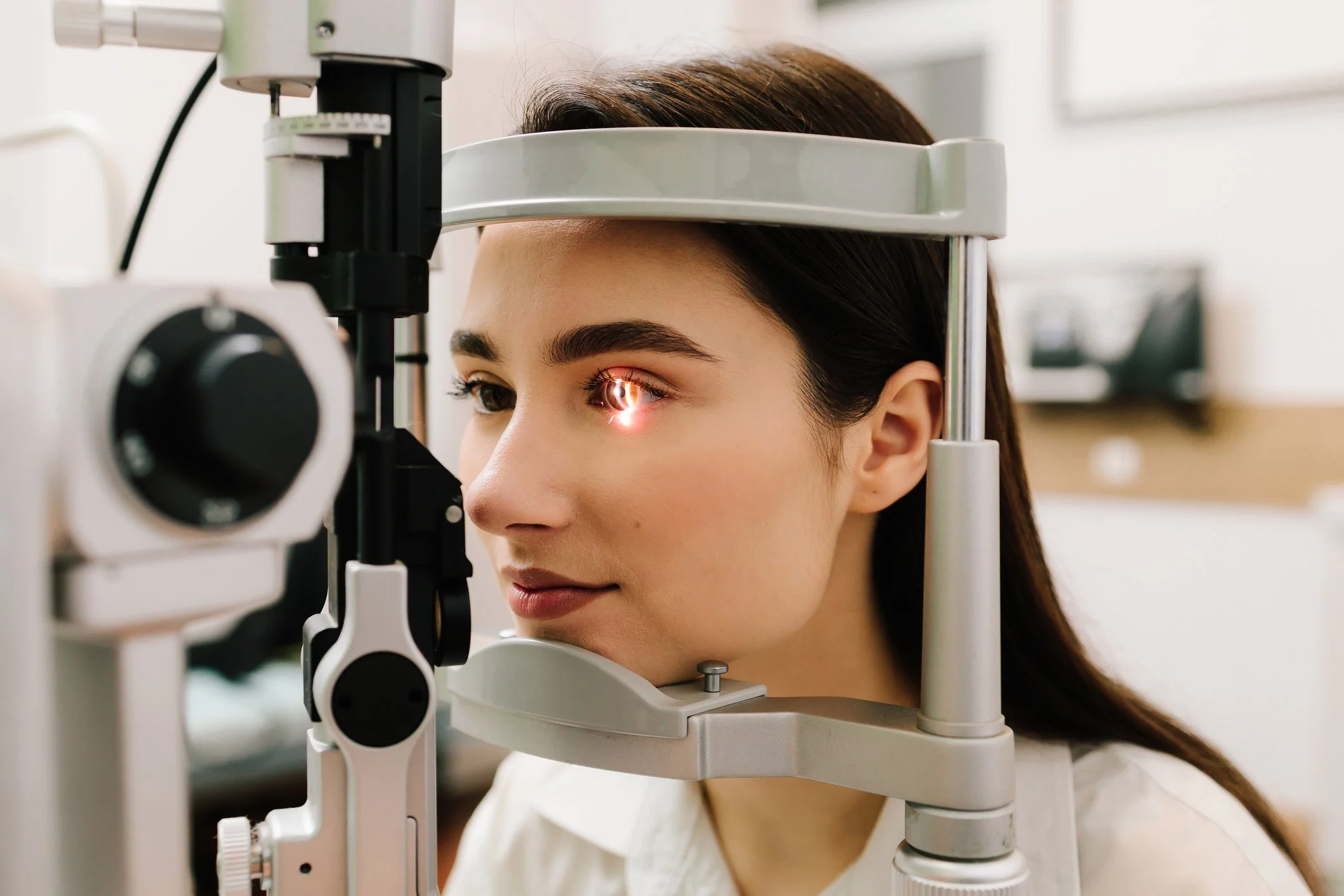
How often you should get an eye exam depends on a number of factors. For instance, those with glasses or contacts may need to see an optometrist more frequently than those who do not use these tools to improve eyesight.
The frequency with which you should get an eye exam is generally once or twice a year. For children and seniors aged 60 and older, it is recommended to have an eye exam each year. However, some circumstances may require those with certain health conditions to undergo exams more often.
Types of Eye Exams
Before you receive an eye exam, contact your doctor or specialist to relay any helpful information about problems related to your eyes. Other important factors such as age, sex, and race may determine how often you need an eye exam.
Some of the types of eye exams include the following:
Vision eye exam
Dilated eye exam
Medical eye exam
Diabetic eye exam
Glaucoma eye exam
Age-related macular degeneration exam
Dry eye exam
Allergy exam
Emergency exam
If you believe any of the above exams can be helpful for you, reach out to a specialist to make an appointment. Before receiving an exam, reveal any medical conditions to your doctor, such as diabetes.
Reasons to Require More Frequent Eye Exams
There are several reasons why some individuals may need to have an eye exam more frequently than once or twice a year. For instance, those with the following conditions may require more frequent eye exams:
Family history of eye diseases
Obesity
Arteriosclerosis
Eye injuries
Wearing glasses or contacts
If any of the above apply to you, you may require more frequent eye exams. Visiting the eye doctor multiple times a year allows you to catch certain health conditions before symptoms progress. Those with vision issues who wear contacts or glasses will need to regularly check in with their eye doctor to determine whether any vision loss has occurred.
Why Eye Exams Are Important
According to the Centers for Disease Control and Prevention (CDC), going to the eye doctor is part of taking care of your overall health. An eye exam provides doctors with a clear view of the blood vessels, retina, and optic nerves.
By looking closely at the eyes, doctors can determine whether certain health conditions are in the early stages or have advanced. A thorough eye exam can spot severe health conditions, including:
Lupus
High cholesterol
Macular degeneration
Glaucoma
Diabetes
High blood pressure
Professional exams are not only crucial to your eyes, but they also play a large role in determining if you suffer from a more serious health problem.
How to Treat Eye Conditions
An eye exam is not just for eyes, but for your general health as well. In fact, an eye exam can reveal a number of health issues, some more severe than others. Eye exams help detect, treat, and prevent eye diseases and conditions early. These exams help monitor your eye health and optimize your vision.
Detecting health conditions early is vital. Recognizing a health problem early allows you to address it in its early stages. Treatment for eye conditions may include glasses, contact lenses, medications, or eye surgery.
Once diagnosed, your doctor will help guide you with the next steps. Treatment will likely continue, and you will work with your doctor along the way to improve your eyesight and other health issues.
Schedule Your Eye Exam Today
Whether you live with an eye condition or want to have a routine exam, you can find the treatments you need at Aloha Eye. At our eye care clinic, we provide a wide range of services for those seeking to better their eye health. Schedule your exam today!